After a small fire, protect your belongings by staying out until the area is safe, photographing damage, and preventing soot from spreading. Do not wipe surfaces, run the HVAC system, or wash smoke-damaged fabrics without knowing the correct method; improper cleaning can permanently set residue and odors.
Make Safety the First Priority
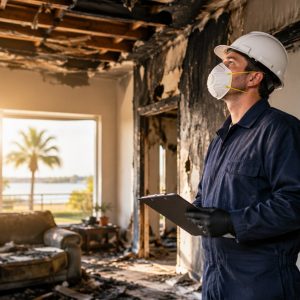
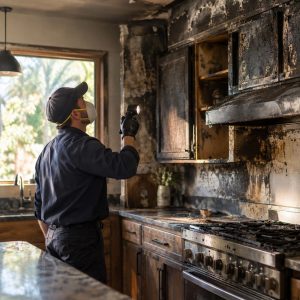
Smoke damage may extend beyond the visibly burned area. Fine soot can enter cabinets, electronics, air ducts, and adjoining rooms, while melted materials may leave irritating residues. Before handling possessions, confirm that fire officials have cleared the property and watch for electrical, structural, and air-quality hazards.
- Turn off the HVAC system if it was operating during the fire, unless a qualified professional directs otherwise.
- Do not use compromised outlets, appliances, or extension cords.
- Wear gloves, long sleeves, and suitable respiratory protection when entering an approved area.
- Keep children, pets, and anyone with respiratory sensitivities away from affected rooms.
- Avoid consuming exposed food, medicine, or cosmetics, including items stored in permeable packaging.
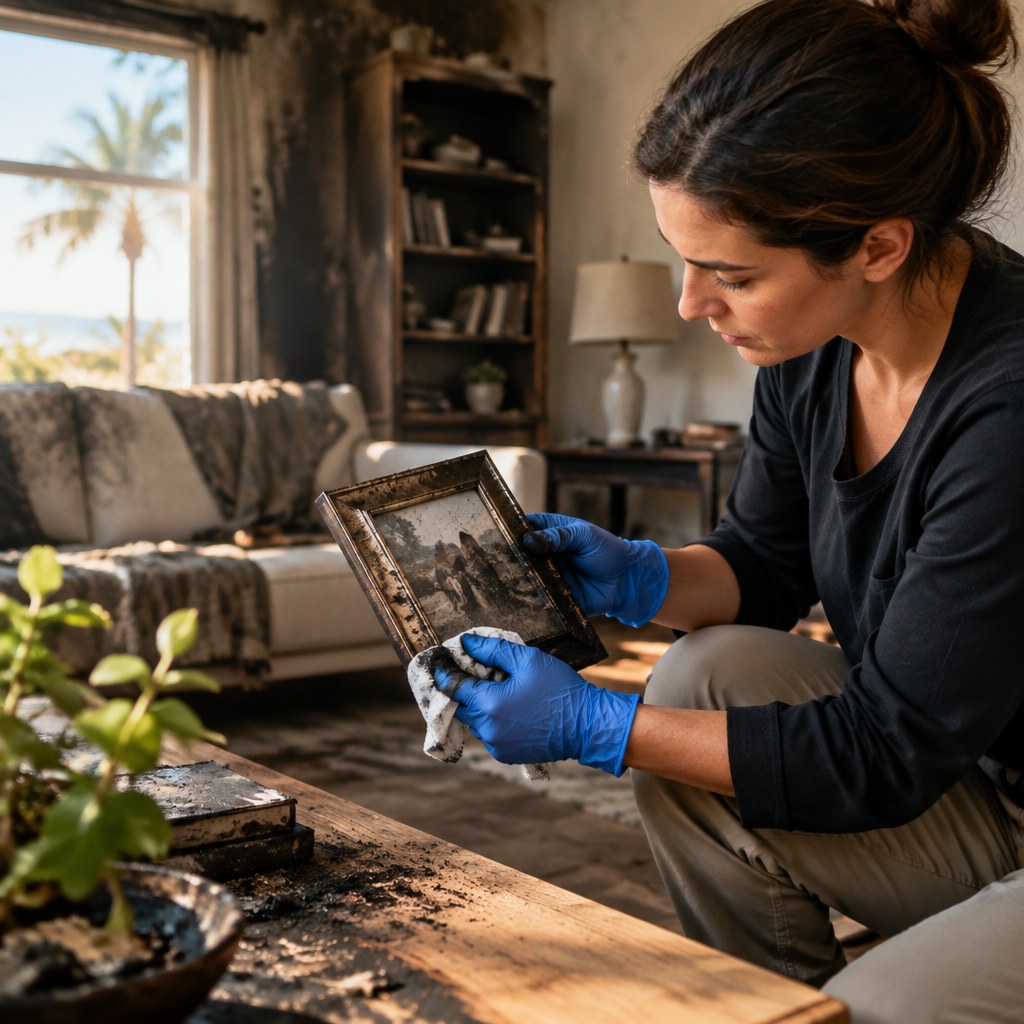
Sort Belongings Without Spreading Soot
Create separate zones for unaffected, potentially restorable, and heavily damaged items. Move possessions only when it is safe, and never carry loose, soot-covered objects through clean rooms. Place small items in open, labeled containers rather than sealing damp contents in plastic.
Handle Each Material Differently
- Clothing and linens: Do not place them in a household washer immediately. Dry soot and oily residues may spread or become fixed by heat. Keep items dry and separate for specialty laundering or textile restoration.
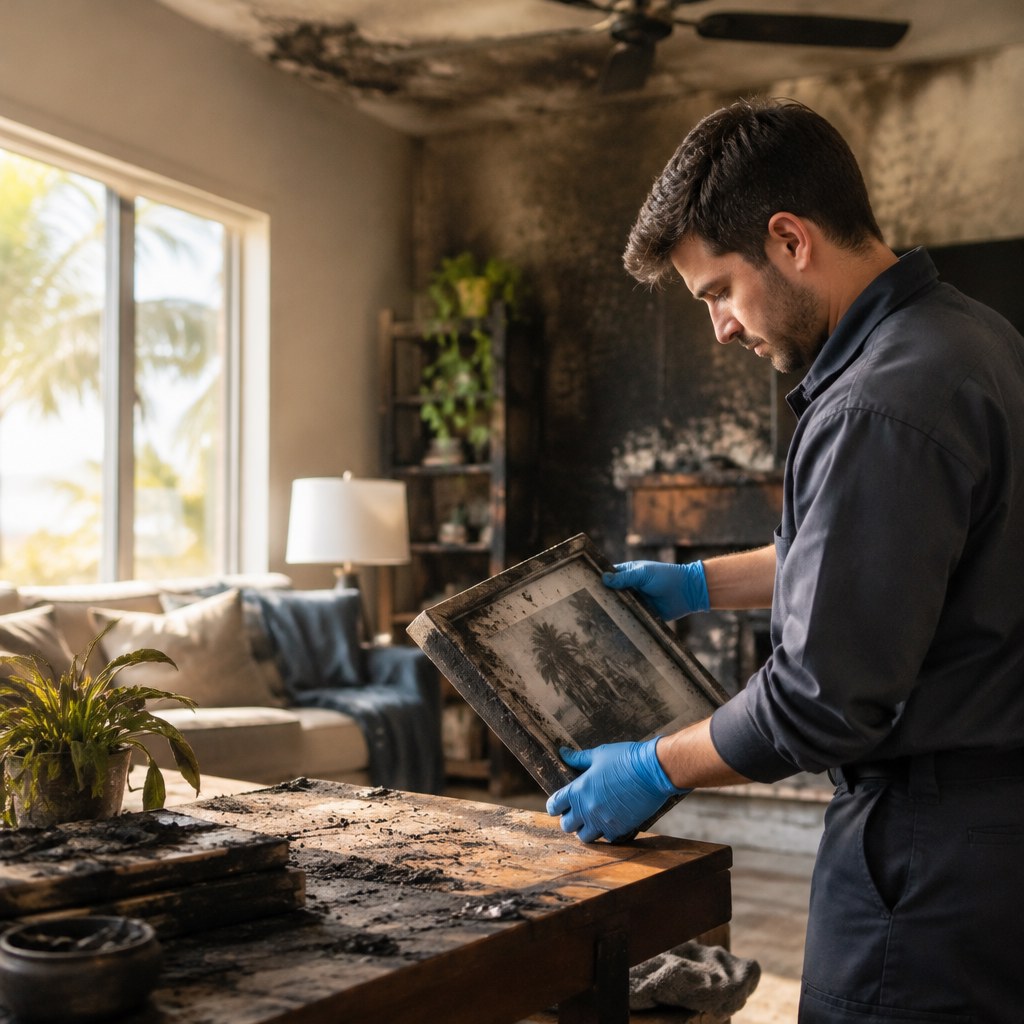
- Photos, books, and documents: Handle them by clean edges. Interleave damp pages with plain absorbent paper without forcing pages apart. Prompt professional drying may help when records are valuable or irreplaceable.
- Electronics: Leave devices unplugged. Soot can conduct electricity and corrode internal components, even when the exterior looks clean.
- Hard furnishings: Avoid ordinary sprays and abrasive scrubbing. Smoke residue differs according to what burned, so an unsuitable cleaner can smear soot or damage a finish.
- Upholstery and mattresses: These porous materials can hold particles and odors below the surface. Vacuuming with a standard household machine may blow contamination back into the room.
Document Damage Before Cleaning
Photograph every affected room from wide and close angles before moving items. Capture soot patterns, damaged finishes, labels, model numbers, and the contents of drawers or cabinets. This record helps you build an accurate inventory and discuss the loss with your insurer.
- List each item with its location, approximate age, condition, and visible damage.
- Save receipts, manuals, warranties, and pre-fire photographs when available.
- Keep samples only when your insurer requests them and handling is safe.
- Record temporary expenses and conversations with your insurance representative.
- Ask before discarding property, because documentation and disposal requirements vary by policy.
Control Dunedin’s Humidity
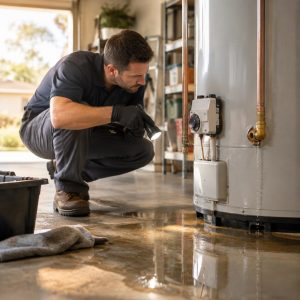
Dunedin’s warm, humid conditions can complicate recovery when firefighting water or a damaged supply line has wet the building. Safe ventilation and professional drying can limit additional deterioration, but opening windows is not always helpful when outdoor humidity is high. Do not operate a contaminated HVAC system merely to cool or dry the space.
Know When Professional Restoration Is Needed
Call a restoration professional when soot affects several rooms, odors persist, porous materials are involved, or smoke entered ducts and wall cavities. Professional help is also appropriate for valuable contents, extensive water exposure, or residue from plastics, fuels, and synthetic materials.
- Request an inspection before attempting widespread cleaning.
- Ask how contents will be inventoried, packed, cleaned, dried, and stored.
- Use qualified trades for electrical, structural, gas, or major HVAC concerns.
- Avoid any area involving sewage, unstable construction, or suspected hazardous materials.
Fast action matters, but careful action matters more. Big Wave Restoration can assess smoke and water impacts, identify restorable belongings, and explain practical next steps for your Dunedin property.