Mold remediation in Oldsmar succeeds only when you remove contaminated materials, dry the building, and correct the moisture source that allowed growth. Cleaning visible spots without repairing a roof leak, plumbing failure, air-conditioning condensation, or drainage problem often leads to a return. Start by protecting people, stopping water when safe, and arranging a proper assessment.
Take Immediate Safety Steps
Keep children, pets, and anyone with respiratory sensitivity away from affected rooms. Avoid disturbing moldy drywall, insulation, or carpeting because cutting, brushing, and placing fans directly on growth can spread particles into adjoining spaces.
- Shut off a leaking water supply only if you can reach the valve safely.
- Do not use household bleach as a substitute for removing damaged porous materials.
- Leave sewage, stormwater, and other contaminated-water cleanup to trained professionals.
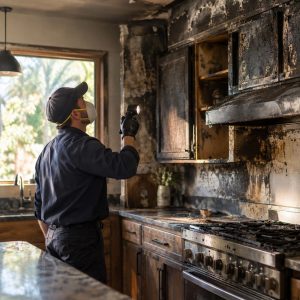
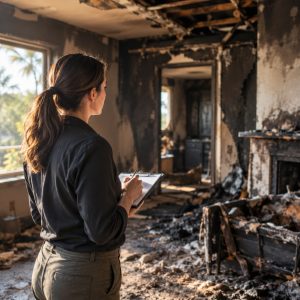
- Seek professional help for structural instability, extensive growth, or fire-related water containing soot and debris.
Find Why the Moisture Keeps Returning
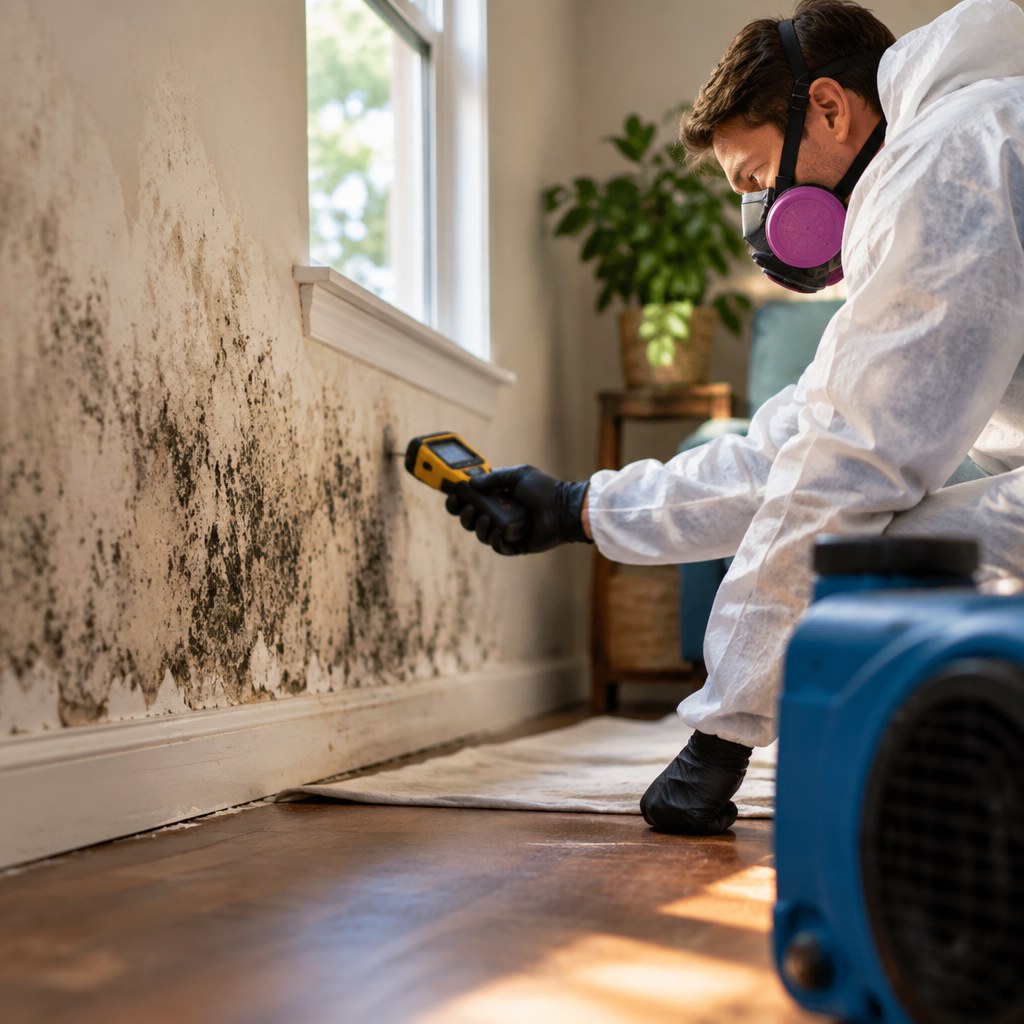
Oldsmar properties face humid Tampa Bay air, heavy rain, wind-driven water, and long air-conditioning seasons. A professional assessment should look beyond the visible stain and trace moisture through wall cavities, flooring, cabinets, attic materials, and HVAC-adjacent areas.
Common recurring moisture sources
- Building exterior: Damaged roof components, failed window seals, exterior penetrations, and water collecting near the foundation.
- Plumbing: Slow supply-line leaks, drain failures, refrigerator connections, water heaters, and moisture beneath sinks.
- Cooling equipment: Blocked condensate drains, damaged drain pans, sweating ducts, or poorly controlled indoor humidity.
- Daily moisture: Bathrooms, laundry areas, and kitchens that lack effective ventilation or remain damp after use.
For example, if mold repeatedly appears around an air vent, wiping the grille addresses the symptom. The lasting fix may require checking duct insulation, condensation, airflow, and humidity rather than simply treating the surface.
What Professional Mold Remediation Should Include
The scope depends on the material, contamination extent, and water source. A small clean-water leak caught promptly differs from sewage exposure, long-hidden growth, or water used during fire suppression.
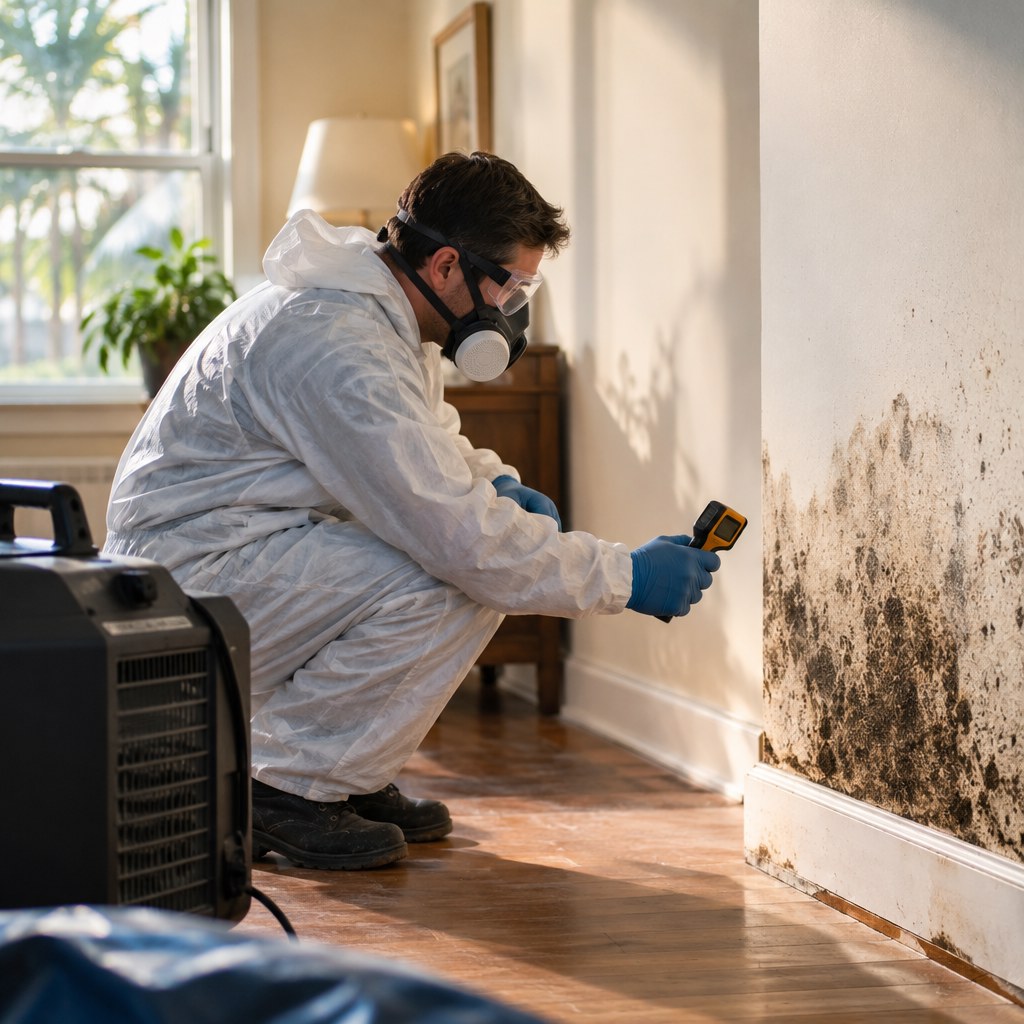
- Moisture inspection: Identify the source and map damp materials, including areas that do not look wet.
- Containment: Isolate affected areas when needed to reduce movement of dust and debris.
- Material removal: Remove unsalvageable porous materials carefully rather than covering damaged surfaces.
- Cleaning and drying: Clean remaining structural surfaces and use controlled drying equipment.
- Correction and verification: Repair the moisture cause and confirm that drying goals and the remediation scope have been met before reconstruction.
Testing is not automatically necessary for every visible problem. It may be useful when the source is unclear, health or documentation concerns exist, or independent verification is part of the project plan.
Document Damage and Prevent Another Outbreak
Before cleanup changes the scene, take wide and close photographs, note when you discovered the problem, and record any recent leaks, storms, plumbing work, or HVAC issues. Keep damaged materials available for inspection when safe, and retain invoices, moisture reports, and repair records. Ask your insurer what documentation it requires; coverage depends on your policy and the cause of loss.
After remediation, maintain indoor humidity control, keep condensate lines serviced, use bathroom and kitchen exhaust, and inspect repaired areas after major rain. Check gutters, roof penetrations, windows, and plumbing connections periodically. If a musty odor returns or materials become damp again, investigate promptly instead of repainting or applying sealant over the warning signs.