Mold remediation after a plumbing leak in Seminole, FL begins with stopping the water, protecting people from hazards, and drying every affected material—not simply wiping away visible growth. Because Tampa Bay’s humid conditions can slow evaporation, hidden moisture behind cabinets, drywall, and flooring should be identified promptly. Professional help is appropriate when mold is extensive, water is contaminated, or electrical and structural risks are present.
What to Do Immediately After Discovering the Leak
Shut off the fixture valve or main water supply if you can reach it safely. Avoid standing water near outlets, appliances, wiring, or an electrical panel; contact an electrician or emergency professional instead of entering that area.
- Move dry belongings away from the leak without disturbing visible mold.
- Place containers beneath active drips and protect unaffected surfaces.
- Remove standing clean water with towels or suitable extraction equipment.
- Run air conditioning and a dehumidifier when the electrical system is safe.
- Do not direct fans at visible mold, because airflow may spread spores and debris.
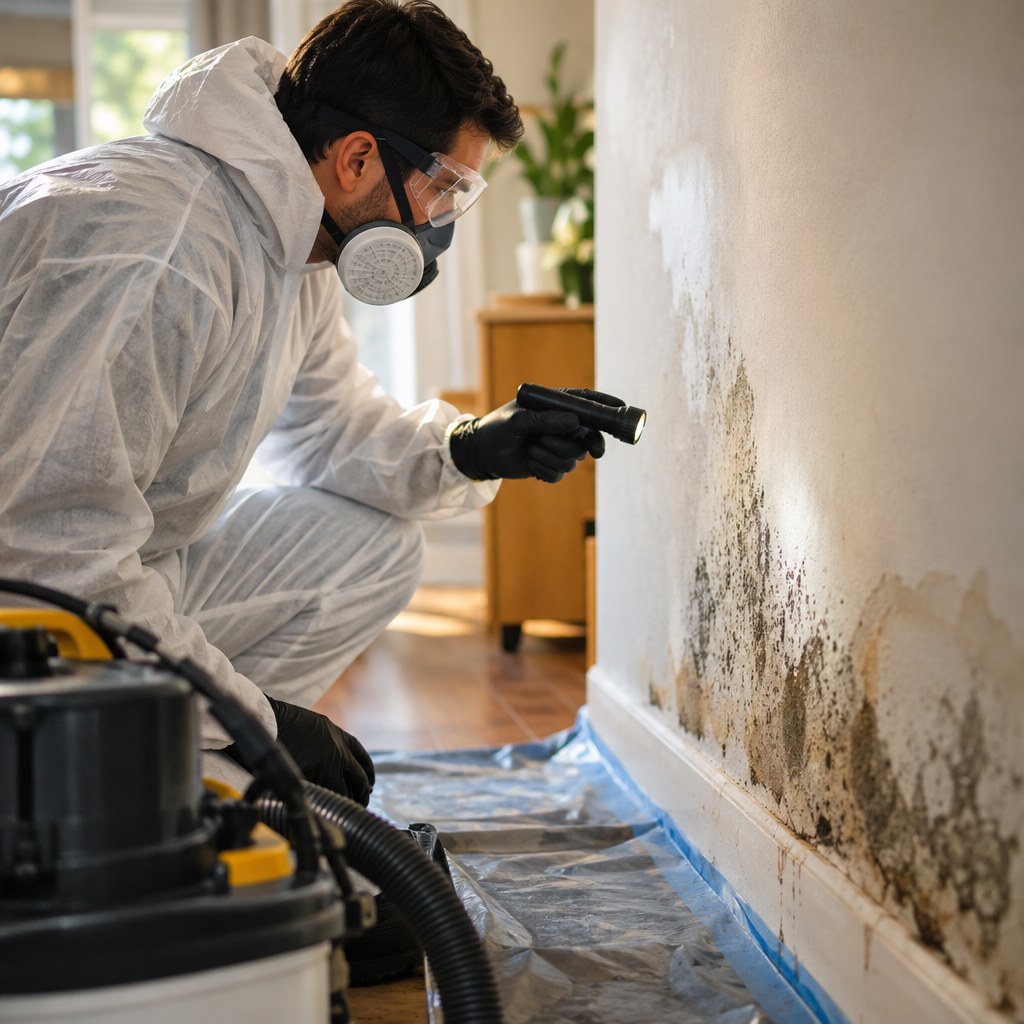
Why Surfaces Can Look Dry While Moisture Remains
Water commonly travels farther than the visible stain. For example, a leak beneath a kitchen sink may wet the cabinet base, wallboard, toe-kick, insulation, and flooring seams. Vinyl flooring or tile may conceal moisture in the underlayment, while baseboards can trap dampness against drywall.
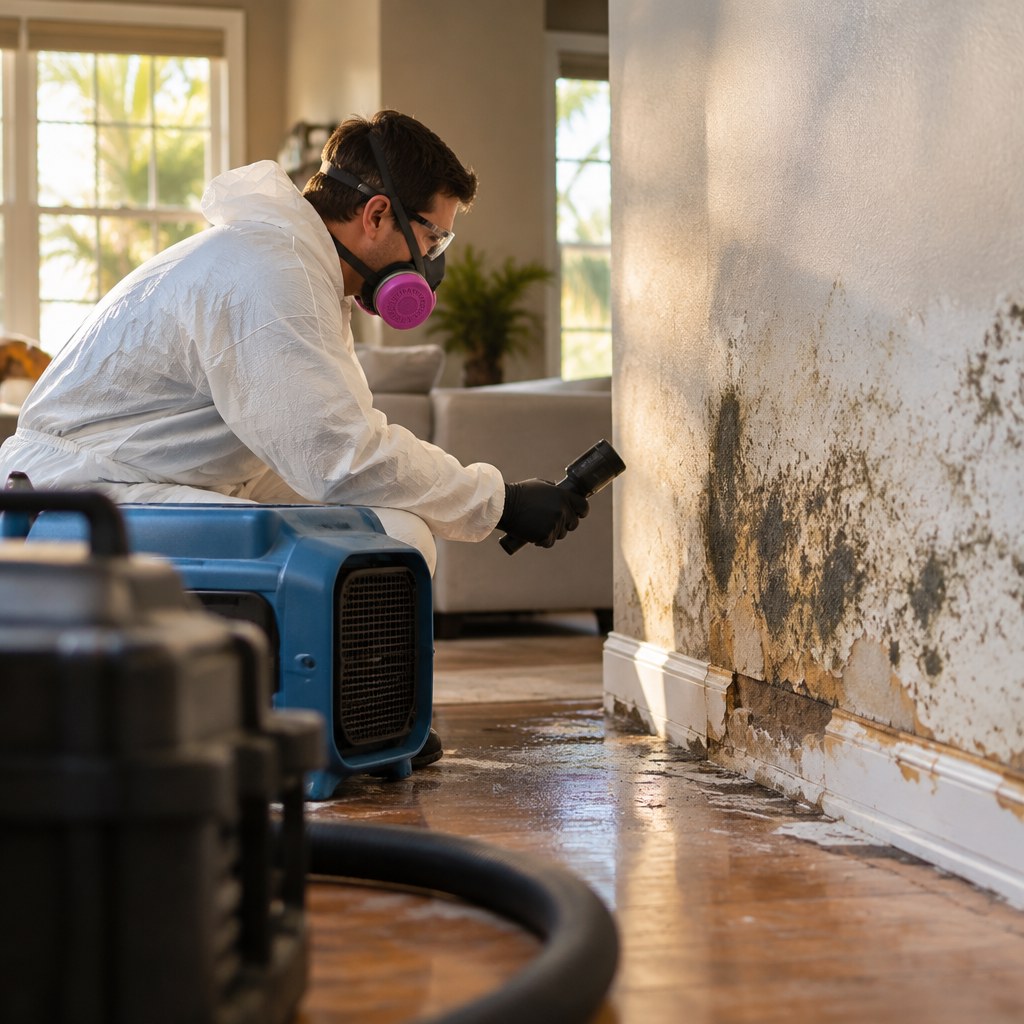
A remediation professional can use moisture readings and targeted inspection to define the affected area. The process may include containment, controlled removal of materials that cannot be cleaned, HEPA-filtered air management, surface cleaning, and drying verification. Painting or caulking over mold does not correct the moisture source.
Signs that warrant closer inspection
- A persistent musty odor after cleanup
- Discoloration, fuzzy growth, peeling paint, or swollen trim
- Soft drywall, warped flooring, or deteriorated cabinet panels
- Recurring condensation or elevated indoor humidity
Document the Damage Before Cleanup Changes It
Take wide and close photographs of the leak source, standing water, stained materials, and damaged belongings. Record when you discovered the problem, when the water was shut off, and which rooms were affected. Keep plumbing invoices, drying records, receipts, and an itemized list of damaged contents.
Contact your insurer directly to ask what documentation, mitigation steps, and coverage conditions apply to your policy. Avoid discarding damaged materials until you understand any inspection requirements, unless keeping them creates a health or safety hazard. Documentation supports an accurate review but does not guarantee coverage.
When You Should Call a Restoration Professional
Request professional assessment when dampness extends into wall cavities, ceilings, built-ins, insulation, or multiple rooms. You should also seek help if occupants have health concerns, mold returns after cleaning, the source was hidden for an unknown period, or you cannot dry the area completely.
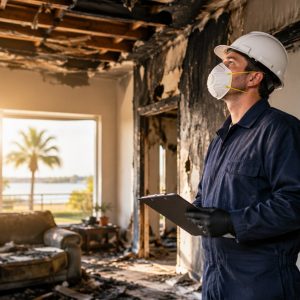
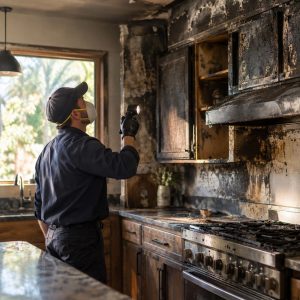
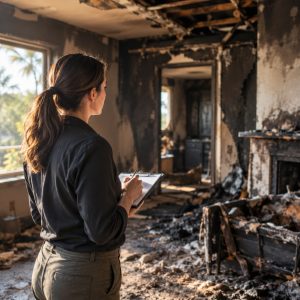
Leave sewage, significant contamination, electrical hazards, sagging ceilings, and suspected structural damage untouched. Fire-related water damage also requires a broader evaluation because soot, damaged wiring, and suppression water introduce hazards beyond ordinary plumbing leaks.
Before work begins, ask how the affected area will be isolated, which materials may be removed, how moisture will be monitored, and what determines that drying is complete. A clear scope should address both mold contamination and the damp conditions that allowed it to develop.